Ubon Ratchathani First-Timer's Guide: What to Know Before You Go
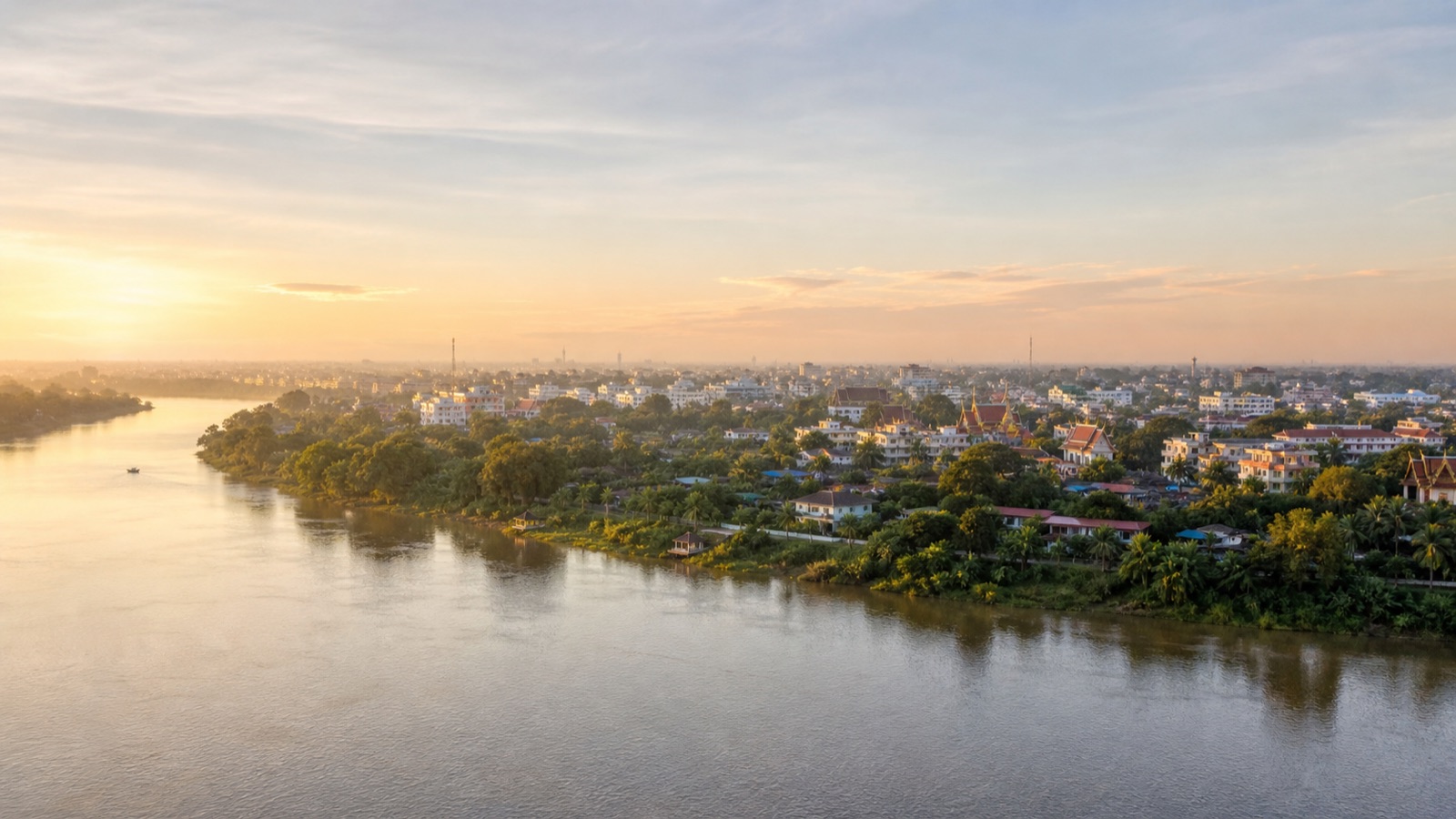
Information last verified 29 August 2026.
Ubon Ratchathani rewards a little orientation. The name can mean the compact provincial capital or a large province reaching east to the Mekong and south to forested border country. This guide explains that geography, shows what fits into a first trip, and identifies the details worth checking before departure.
Begin with the map
Ubon Ratchathani city (เมืองอุบลราชธานี) is the practical centre for the airport, museum, major urban temples, markets, and most transport services. Warin Chamrap (วารินชำราบ), across the Mun River, is a separate municipality and the location of the railway station. A hotel described as “near Ubon station” may therefore be outside the city centre.
Many headline landscapes are much farther away. Khong Chiam (โขงเจียม), Pha Taem National Park, and the Mun–Mekong confluence form an eastern cluster. Phu Chong Na Yoi National Park lies in the province’s south. Sam Phan Bok and Khemmarat are to the north along the Mekong. Trying to combine all three directions in a short stay produces more driving than visiting.
Read the geography primer before choosing accommodation. It explains the four most useful bases and why provincial distance matters.
Choose a trip shape, not a checklist
A two-night city break can cover the National Museum, Thung Si Mueang, several temples, and focused food exploration. Three full days allow one well-planned eastern excursion. Five days make room for a second base, slower mornings, or a separate nature area. The three-day itinerary shows one balanced version; shorter stays should reduce scope rather than increase pace.
For a first visit, a sensible sequence is:
- Spend an orientation day in the city, beginning with the museum if it is open.
- Use one full day for a coherent eastern route rather than several distant landmarks.
- Add food, a second city day, or a slower district stay according to your interests.
Pha Taem, Sam Phan Bok, and Phu Chong Na Yoi are not interchangeable. Rock art and sandstone landscapes define Pha Taem; exposed Mekong rock formations make Sam Phan Bok strongly dependent on river level; forest trails and waterfalls make Phu Chong Na Yoi dependent on weather, access, and physical preparation.
Time the visit around your priority
Ubon has a tropical seasonal cycle, but no month guarantees a particular experience. Thai Meteorological Department climate normals show a much wetter period from roughly May into October, with September historically the wettest month at the Ubon station. The drier part of the year generally offers easier road travel and more exposed Mekong rock, while wetter months can bring greener vegetation and stronger waterfalls.
The annual Candle Festival is associated with Buddhist Lent, whose dates move within the Gregorian calendar. It brings major cultural value and exceptional demand for central accommodation. Treat it as a planned event trip rather than an ordinary weekend, and compare current climate and festival information rather than assuming one universally best month.
Check before travel — last verified 29 August 2026: Consult the Thai Meteorological Department’s Ubon forecast, the relevant national park, and the current festival organizer. Rain, river level, road work, religious programs, and temporary closures can change what is practical.
Arrive and move around
Ubon can be reached by air, rail, and long-distance bus. Flights arrive close to the urban area. Trains terminate in Warin Chamrap, so allow for a road transfer across the Mun. Bus services may use different terminals or stopping points; confirm the exact arrival location rather than relying on the word “Ubon.”
Inside the city, short trips may be possible by local public transport, taxi, or app-based service, but availability changes. Province-wide nature days commonly require a rental vehicle or a driver. Rural trips should include daylight margin, offline directions, drinking water, a saved Thai address, cash backup, and an emergency plan.
Visit temples and communities as living places
Ubon’s temples are not decorative attractions. Dress with shoulders and knees covered, remove shoes where indicated, keep voices low, and do not obstruct worship. Ask before photographing monks or residents. Women should avoid physical contact with monks and should not hand objects directly to them.
At rock-art sites, remain behind barriers and never touch, wet, trace, or apply substances to the paintings. In parks, take litter out, follow ranger instructions, and do not treat wildlife sightings or seasonal flowers as guaranteed. At markets and craft communities, buying directly can support local work, but photography still requires consent.
Plan for heat and uneven access
Shade, seating, toilets, step-free routes, and English information vary widely. Heat can turn a modest walk into a demanding one, especially around midday. Carry water, sun protection, and any essential medication; choose early or late outdoor periods and reserve indoor stops for the hottest hours.
Travelers with limited mobility should contact individual sites shortly before visiting. “Accessible” may refer only to parking or one building, not the full route. A driver who can wait nearby may be more useful than a tightly timed tour.
The right first trip is not the one with the longest list. It is the one that distinguishes city from province, respects seasonal limits, and leaves enough time to understand what makes each place important.
